



As the cold weather settles in for winter, unfortunately, so do the winter illnesses. Colds, flus and other respiratory illnesses are more common during the colder months and this is also the time of year when we spend more time indoors, allowing viruses to be spread more easily too.
In this article we help you to be informed with a quick guide to the most common winter illnesses that are circulating during winter. If you are worried that your symptoms are more than a cold or have been going on for a long time, please do contact us at Edinburgh GP for help and advice. And with instant tests for strep throat, flu and covid here in clinic, you can get the help that you quickly.

The common cold
Of all illnesses, the common cold is responsible for most days off work or school. There are more than 200 viruses that can cause colds, the most common being rhinovirus. Your nose and throat are infected and you may also have infection in your ears as well as a minor fever, fatigue and aches.
Most people are contagious for about a week, starting the day before they have symptoms. We would always recommend, good rest, plenty of fluids and over the counter pain relief, preferably paracetamol. You should wash your hands frequently and avoid close contact with others until you have stopped coughing and sneezing.
Influenza or flu
Along with other respiratory viruses, flu circulates all year round, but it is definitely more prevalent during the winter months. Symptoms include fever, cough, sore throat, body aches, and fatigue but generally you will feel terrible! The worst of it, the fever and aches, is usually over in three to five days but the coughing and general fatigue can last for two weeks or more.
The flu vaccine is a key preventive measure, and we would recommend that individuals in high-risk groups, such as those with chronic medical conditions, should get vaccinated.
Pertussis or ‘the 100 day cough’
You have possibly heard about the ‘100 day cough’ or perhaps you know someone who has been unfortunate enough to have suffered with it in recent winters. It may surprise you to know that it is also known as whooping cough, but to give it its medical name, Pertussis has certainly been prevalent in recent winters.
Early symptoms normally appear seven to 10 days after infection and these include a mild fever, runny nose, sore throat and a cough. This gradually develops into a hacking cough and then a whooping cough and these severe coughing fits can last for several weeks.
Pertussis is highly contagious, with infants, young children and the elderly being particularly vulnerable. It is therefore important for parents and caregivers to make sure that that their vaccinations are up-to-date, booster shots can also reduce the risk of transmission. If diagnosed within 3 weeks of infection, antibiotics are usually given to help speed up recovery.
Covid
We can’t forget Covid, and with more indoor gatherings in winter, the risk of transmission rises. Whilst most infections are now milder, there are still those who are more vulnerable than others such as the elderly and those with a chronic health condition. If you think you have
Covid or indeed any other respiratory illness, you should avoid coming into contact with others, especially the most vulnerable.
Pneumonia
Pneumonia is an inflammatory condition of the lungs which tends to peak during the colder months. It can be caused by different viruses and bacteria, including the influenza virus. Common symptoms include a persistent cough, chest pain, fever, and difficulty breathing. The elderly and those with compromised immune systems are at higher risk. It is vital to seek prompt medical attention if you or a loved one has these respiratory symptoms.
RSV (Respiratory Syncytial Virus)
RSV is a common respiratory virus that can lead to bronchiolitis or pneumonia, it is especially common in infants and older people. Symptoms often mimic those of the common cold, making it difficult to differentiate. You should avoid close contact with vulnerable people and ensure frequent handwashing; both are effective preventive measures. Parents should be vigilant, and seeking medical attention for persistent respiratory symptoms in infants is crucial.
Staying informed about common winter illnesses is the first step in protecting yourself and your loved ones. By practicing good hygiene, ensuring vaccinations are up-to-date, and being mindful of symptoms, we can all help to limit the spread of these seasonal viruses. Remember, while most of these conditions are manageable at home, persistent or severe symptoms should never be ignored. If you are concerned about your health or the health of a family member, please do not hesitate to contact us at Edinburgh GP for professional advice and support. Your health is our priority, and we are here to help you navigate the colder months safely.

The “No-Scalpel” Vasectomy – What does that actually mean?
A GP with additional experience in dermatology can diagnose and manage a large proportion of...
Sep
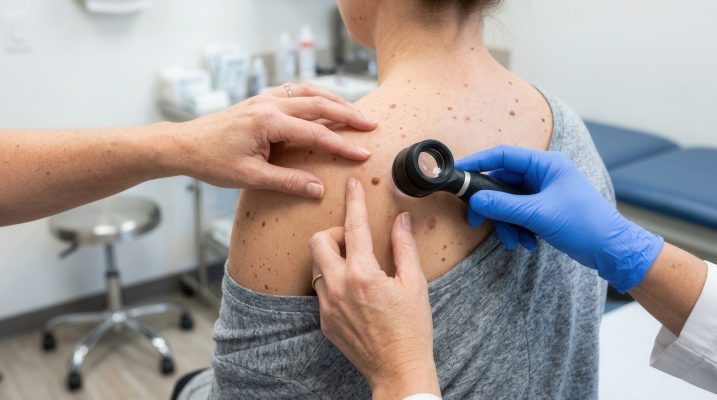
Skin problems, moles and lumps – Do you really need a dermatologist?
A GP with additional experience in dermatology can diagnose and manage a large proportion of...
Sep

Mounjaro or Wegovy? Understanding the evidence behind modern weight loss medication
At Edinburgh GP, we recognise that obesity is a complex, chronic medical condition-not simply a...
Aug

National Wellness Month: Investing in your future health
Did you know that August is National Wellness Month? A reminder that our health is...
Aug
Meningitis B Outbreak
MenB remains the most common cause of bacterial meningitis in the UK, particularly affecting infants,...
Jul

Visiting Edinburgh and need to see a doctor?
Whether you are visiting Scotland on holiday or are travelling for work – no-one plans...
Jul

Cervical Cancer Screening: Understanding your options
Regular cervical screening is one of the most effective ways to detect early changes that...
Jul

Vasectomy Myth Busters: Separating fact from fiction
A vasectomy is one of the safest, simplest and most effective forms of permanent contraception...
Jul

Private Vasectomy in Edinburgh
Choosing to have a vasectomy is an important decision. For many men, it offers a...
Jun

Prostate Cancer Screening: What Jeremy Clarkson and Sir Chris Hoy remind us about early detection
Jeremy Clarkson’s recent disclosure of an aggressive prostate cancer diagnosis, apparently found early during a...
Jun

Testosterone Testing in Men: Why a blood test alone isn’t enough
Testosterone testing has become increasingly popular, driven by online testing kits, media coverage, and growing...
Mar

Six Nations, fitness and a friendly reminder from your joints
The Six Nations Championship is one of the most exciting times in the rugby calendar....
Mar