



Testosterone testing has become increasingly popular, driven by online testing kits, media coverage, and growing awareness of men’s health. While testosterone is an important hormone, testing and treating it in isolation can be misleading and, in some cases, unsafe.
Guidance from the British Society for Sexual Medicine (BSSM) makes it clear that testosterone testing is only clinically useful when it is performed as part of a full men’s health assessment, rather than as a stand-alone number.
What does testosterone do?
Testosterone plays an important role in libido and sexual function, muscle mass and strength, bone density, mood, motivation, energy levels, and red blood cell production. Levels naturally vary with age, sleep, illness, stress, alcohol intake, body fat, and medications.
When should testosterone be checked? (BSSM guidance)
The BSSM recommends testosterone testing only in men with relevant symptoms. These include reduced libido or erectile dysfunction, persistent fatigue, low mood, reduced muscle mass or strength, osteoporosis, or unexplained anaemia. Testing men without symptoms increases the risk of over-diagnosis and unnecessary treatment.
Why a single testosterone result is unreliable
Testosterone levels fluctuate throughout the day and are highest in the morning. They are affected by poor sleep, illness, stress, alcohol, and recent exercise. Obesity and metabolic disease can temporarily suppress testosterone levels.
For this reason, guidelines recommend morning testing, repeat testing if levels are low, and interpretation alongside symptoms and other health markers.
Why testosterone symptoms often reflect broader health issues
Symptoms often blamed on low testosterone are commonly caused by insulin resistance, obesity, sleep apnoea, depression, chronic stress, thyroid disease, excess alcohol use, or cardiovascular disease. In these cases, testosterone is often a marker of poor health rather than the root cause.
Why testosterone testing must be part of a full men’s health check
A meaningful assessment includes medical history, physical examination, and broader blood testing. This usually covers blood pressure, body composition, metabolic screening, blood count, liver and thyroid function, and prostate assessment where appropriate. Without this context, testosterone results are rarely actionable.
What is the evidence that testosterone replacement helps?
Metabolic health –In men with confirmed testosterone deficiency, testosterone replacement therapy (TRT) has been associated with improvements in body composition, reduced waist circumference, and improvements in metabolic syndrome markers. Studies in men with type 2 diabetes have shown improvements in insulin resistance and glycaemic control when TRT is used appropriately alongside lifestyle measures.
Mental health and wellbeing – Large systematic reviews and meta-analyses show that TRT can reduce depressive symptoms in selected men, particularly those with confirmed testosterone deficiency. Testosterone is not an antidepressant, but improvements in mood, motivation, and wellbeing are commonly reported when deficiency is corrected.
Cancer risk and prostate safety – Modern evidence does not show a convincing increase in prostate cancer risk when TRT is prescribed appropriately and monitored. Testosterone therapy is not used in men with untreated or active prostate cancer, and baseline and follow-up PSA monitoring form part of safe practice. In carefully selected men, TRT has not been shown to increase prostate cancer incidence.
The bottom line
Testosterone testing is not a shortcut to better health. It is a clinical tool that only makes sense within a full men’s health assessment. In properly selected men, testosterone replacement can improve symptoms, metabolic health markers, and wellbeing when used responsibly and monitored carefully.
By Dr Stephen Miller, GP Specialist, Edinburgh GP

The “No-Scalpel” Vasectomy – What does that actually mean?
A GP with additional experience in dermatology can diagnose and manage a large proportion of...
Sep

Skin problems, moles and lumps – Do you really need a dermatologist?
A GP with additional experience in dermatology can diagnose and manage a large proportion of...
Sep

Mounjaro or Wegovy? Understanding the evidence behind modern weight loss medication
At Edinburgh GP, we recognise that obesity is a complex, chronic medical condition-not simply a...
Aug

National Wellness Month: Investing in your future health
Did you know that August is National Wellness Month? A reminder that our health is...
Aug
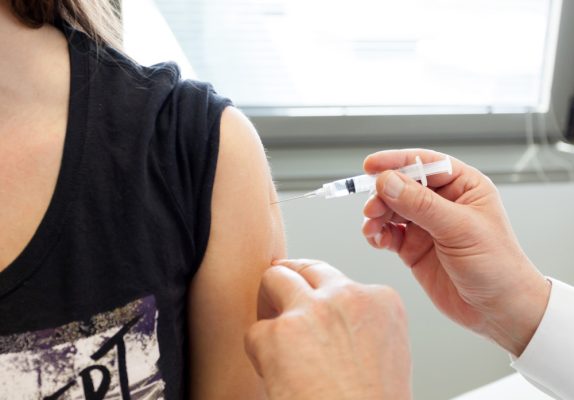
Meningitis B Outbreak
MenB remains the most common cause of bacterial meningitis in the UK, particularly affecting infants,...
Jul

Visiting Edinburgh and need to see a doctor?
Whether you are visiting Scotland on holiday or are travelling for work – no-one plans...
Jul

Cervical Cancer Screening: Understanding your options
Regular cervical screening is one of the most effective ways to detect early changes that...
Jul

Vasectomy Myth Busters: Separating fact from fiction
A vasectomy is one of the safest, simplest and most effective forms of permanent contraception...
Jul

Private Vasectomy in Edinburgh
Choosing to have a vasectomy is an important decision. For many men, it offers a...
Jun

Prostate Cancer Screening: What Jeremy Clarkson and Sir Chris Hoy remind us about early detection
Jeremy Clarkson’s recent disclosure of an aggressive prostate cancer diagnosis, apparently found early during a...
Jun

Testosterone Testing in Men: Why a blood test alone isn’t enough
Testosterone testing has become increasingly popular, driven by online testing kits, media coverage, and growing...
Mar

Six Nations, fitness and a friendly reminder from your joints
The Six Nations Championship is one of the most exciting times in the rugby calendar....
Mar