



When we talk about men’s health, we’re not just talking about illness. We’re talking about life expectancy, quality of life, mental wellbeing, and preventable disease.
Despite major advances in medicine, men continue to experience poorer health outcomes than women across almost every age group. Importantly, this gap is not inevitable.
The reality: Men die earlier and more often from preventable causes
Data from population studies and the Movember Institute consistently show that men die younger on average, are more likely to die from preventable causes, and are diagnosed later with serious illness. A significant proportion of male deaths before age 75 could be avoided with earlier detection and intervention.
Why do men delay seeking medical care?
Men commonly delay medical assessment for several reasons:
– Believing symptoms are not serious enough
– Fear of bad news
– Work and family pressures
– Cultural expectations around stoicism and self-reliance
– Discomfort discussing mental, sexual, or emotional health
Unfortunately, waiting often means conditions are identified later, when treatment is more complex and outcomes are poorer.
The main causes of illness and early death in men
Mental health and suicide – Suicide remains one of the leading causes of death in men under 50. Men are far less likely to seek help for depression, anxiety, or emotional distress, often until crisis point.
Cancer – Men are more likely to die from several common cancers, including prostate, lung, and bowel cancer. Late diagnosis plays a major role. Many cancers are highly treatable when detected early.
Metabolic and cardiovascular disease – Conditions such as high blood pressure, type 2 diabetes, high cholesterol, and fatty liver disease often develop silently over many years. Without routine health checks, risk can accumulate unnoticed.
What modern men’s health care should look like
Modern men’s health care should be proactive, not reactive. This includes regular health checks, cardiovascular and metabolic screening, cancer risk assessment, mental health support, and lifestyle optimisation.
A positive message: Outcomes improve with early action
When men engage with healthcare earlier, outcomes improve dramatically. Early detection allows cancers to be treated more effectively, heart disease and diabetes to be prevented or reversed, and mental health conditions to be addressed before crisis point.
The call to action
If you are over 40, haven’t had a recent health check, or something doesn’t feel right, book an assessment. If you care about the men in your life, encourage them to do the same.
Men’s health isn’t about weakness. It’s about prevention, responsibility and staying well for the long term.
By Dr James Robertson, GP Specialist, Edinburgh GP

The “No-Scalpel” Vasectomy – What does that actually mean?
A GP with additional experience in dermatology can diagnose and manage a large proportion of...
Sep
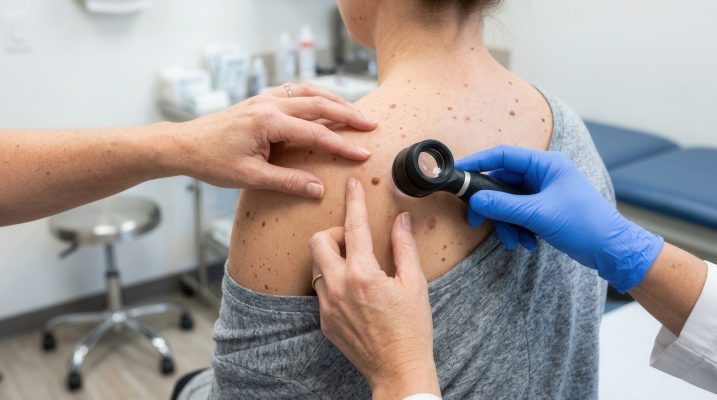
Skin problems, moles and lumps – Do you really need a dermatologist?
A GP with additional experience in dermatology can diagnose and manage a large proportion of...
Sep

Mounjaro or Wegovy? Understanding the evidence behind modern weight loss medication
At Edinburgh GP, we recognise that obesity is a complex, chronic medical condition-not simply a...
Aug

National Wellness Month: Investing in your future health
Did you know that August is National Wellness Month? A reminder that our health is...
Aug
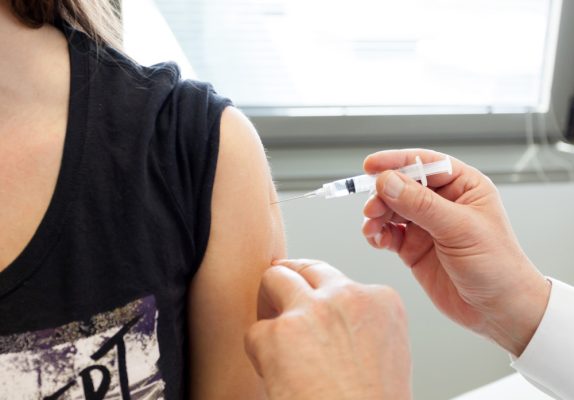
Meningitis B Outbreak
MenB remains the most common cause of bacterial meningitis in the UK, particularly affecting infants,...
Jul

Visiting Edinburgh and need to see a doctor?
Whether you are visiting Scotland on holiday or are travelling for work – no-one plans...
Jul

Cervical Cancer Screening: Understanding your options
Regular cervical screening is one of the most effective ways to detect early changes that...
Jul

Vasectomy Myth Busters: Separating fact from fiction
A vasectomy is one of the safest, simplest and most effective forms of permanent contraception...
Jul

Private Vasectomy in Edinburgh
Choosing to have a vasectomy is an important decision. For many men, it offers a...
Jun

Prostate Cancer Screening: What Jeremy Clarkson and Sir Chris Hoy remind us about early detection
Jeremy Clarkson’s recent disclosure of an aggressive prostate cancer diagnosis, apparently found early during a...
Jun

Testosterone Testing in Men: Why a blood test alone isn’t enough
Testosterone testing has become increasingly popular, driven by online testing kits, media coverage, and growing...
Mar

Six Nations, fitness and a friendly reminder from your joints
The Six Nations Championship is one of the most exciting times in the rugby calendar....
Mar