



By Dr Shona Williamson, GP Specialist, Edinburgh GP
Regular cervical screening is one of the most effective ways to detect early changes that could lead to cervical cancer. At our clinic, we offer a range of screening options along with expert guidance to help you choose the most appropriate test for your individual circumstances.
Understanding HPV and cervical screening
Cervical screening (previously known as a smear test) now primarily looks for high-risk strains of the Human Papilloma Virus (HPV). There are many different types of HPV, but only certain strains are associated with an increased risk of developing cervical cell changes that could progress to cancer.
HPV is extremely common, and most sexually active people will be exposed to it at some point in their lives. In many cases, the body clears the virus naturally. However, HPV can sometimes remain dormant for years and become active again due to factors such as stress, hormonal changes, illness, or a reduction in immune function.
A positive HPV result does not necessarily mean a recent infection. Many people in long-term, monogamous relationships may test positive due to reactivation of a previous infection rather than a new exposure.
What happens if HPV is detected?
If your screening test detects high-risk HPV, the laboratory will assess your cervical cells for any abnormalities. Depending on the results, you may be advised to:
• Attend more frequent screening appointments
• Have further investigations through a colposcopy clinic
• Receive treatment if significant cell changes are identified
Early detection allows any changes to be monitored or treated before they become more serious.
Self-testing for HPV
For those who find smear tests uncomfortable, anxiety-provoking, or difficult to attend, we offer self-collected HPV testing. This simple swab can be performed privately and comfortably. You are given a long slim swab which you need to insert only a few inches in to your vagina for self administered swabbing. You do not need to reach the cervix. The swab is then passed on to our clinician to send for testing.
Self-sampling has been extensively studied and is now recognised as a reliable and evidence-based screening option. Research has shown that when modern laboratory PCR-based HPV testing is used, self-collected samples are almost as accurate as clinician-collected samples for detecting high-risk HPV infections.
Self-testing has also been shown to improve screening uptake, particularly among people who have previously delayed screening because of embarrassment, previous trauma, discomfort, cultural concerns, or difficulty attending appointments.
However, it is important to understand the limitations of self-testing. A self-collected sample tests only for the presence of high-risk HPV and does not collect cervical cells for examination. If high-risk HPV is detected, a cervical examination and smear test will still be required to collect cells for further assessment.
For this reason, some patients choose to attend for a clinician-collected sample from the outset, particularly if they would like the reassurance of a more comprehensive assessment in a single appointment.
If you find smear tests difficult
Many people delay screening because they are anxious, have had previous negative experiences, or find the procedure uncomfortable. Our clinic takes a personalised approach to make screening as comfortable as possible.
We can discuss options including:
• Smaller speculums
• Pelvic floor relaxation techniques
• Examination couches with stirrups to improve comfort and positioning
• Vaginal oestrogen treatment where dryness is contributing to discomfort
• Diazepam in selected cases to help with relaxation and muscle tension
Our aim is to work with you to find a solution that makes screening manageable and as stress-free as possible.
Beyond standard HPV screening
Although uncommon, cervical cell changes can occasionally occur despite a negative HPV test. For patients with symptoms, previous abnormal results, or those seeking additional reassurance, we can also arrange cervical cytology to directly assess cervical cells.
We can discuss whether this additional testing may be appropriate based on your individual circumstances.
Why book a cervical screening appointment?
Our appointments offer more than just a test. We provide:
• Personalised advice based on your medical history and risk factors
• Access to HPV testing, self-sampling and cervical cytology
• Support for those who find screening uncomfortable or anxiety-provoking
• Expert interpretation of results and guidance on any follow-up that may be required
Whether you choose a self-collected HPV test or a clinician-collected sample, we can help you select the most appropriate option for your needs.
Book an appointment
If you are due for screening, have concerns about HPV, or would like to discuss your options, we would be happy to help.
Contact the clinic to arrange a smear test, self-collected HPV test, cervical cytology, or a consultation to discuss which screening approach is right for you.

The “No-Scalpel” Vasectomy – What does that actually mean?
A GP with additional experience in dermatology can diagnose and manage a large proportion of...
Sep
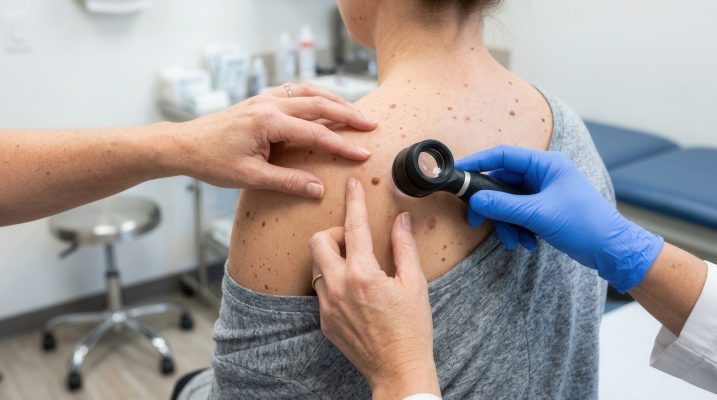
Skin problems, moles and lumps – Do you really need a dermatologist?
A GP with additional experience in dermatology can diagnose and manage a large proportion of...
Sep

Mounjaro or Wegovy? Understanding the evidence behind modern weight loss medication
At Edinburgh GP, we recognise that obesity is a complex, chronic medical condition-not simply a...
Aug

National Wellness Month: Investing in your future health
Did you know that August is National Wellness Month? A reminder that our health is...
Aug
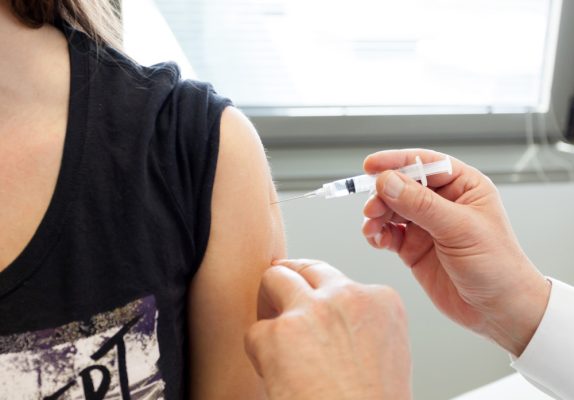
Meningitis B Outbreak
MenB remains the most common cause of bacterial meningitis in the UK, particularly affecting infants,...
Jul

Visiting Edinburgh and need to see a doctor?
Whether you are visiting Scotland on holiday or are travelling for work – no-one plans...
Jul

Cervical Cancer Screening: Understanding your options
Regular cervical screening is one of the most effective ways to detect early changes that...
Jul

Vasectomy Myth Busters: Separating fact from fiction
A vasectomy is one of the safest, simplest and most effective forms of permanent contraception...
Jul

Private Vasectomy in Edinburgh
Choosing to have a vasectomy is an important decision. For many men, it offers a...
Jun

Prostate Cancer Screening: What Jeremy Clarkson and Sir Chris Hoy remind us about early detection
Jeremy Clarkson’s recent disclosure of an aggressive prostate cancer diagnosis, apparently found early during a...
Jun

Testosterone Testing in Men: Why a blood test alone isn’t enough
Testosterone testing has become increasingly popular, driven by online testing kits, media coverage, and growing...
Mar

Six Nations, fitness and a friendly reminder from your joints
The Six Nations Championship is one of the most exciting times in the rugby calendar....
Mar